Translational NeuroRepair and Regeneration Laboratory

Our Research
The Translational NeuroRepair and Regeneration Laboratory develops innovative translational strategies to improve neurological recovery after cardiac arrest–related brain injury, enhance regeneration following peripheral nerve damage, and advance neuroprotective therapies through mechanism-driven metabolic glycoengineering approaches that uncover the biological pathways regulating repair.
Brain Recovery and Neuroprotection after Cardiac Arrest
We develop and translate regenerative therapeutic strategies, including stem cell–based approaches, metabolic glycoengineering, and extracellular vesicle platforms, to improve neurological recovery following cardiac arrest–induced global cerebral ischemia. Our work integrates mechanistic investigation with preclinical modeling to advance clinically relevant neuroprotective interventions.
Peripheral Nerve Injury and Regeneration
We design and evaluate innovative regenerative strategies, including stem cell therapies, stem cell surface modification, and extracellular vesicle–based approaches, to enhance functional nerve repair after peripheral nerve injury. Our studies combine therapeutic development with mechanistic insights to optimize translational potential.
Other Selected Research Contributions
-
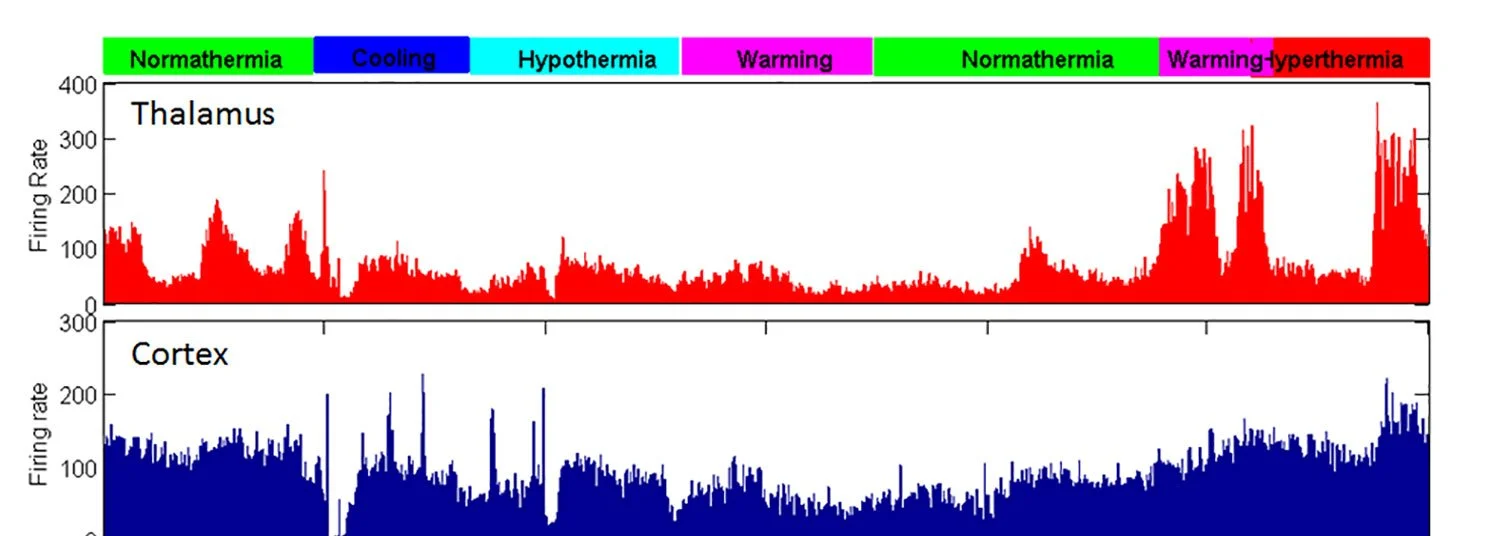
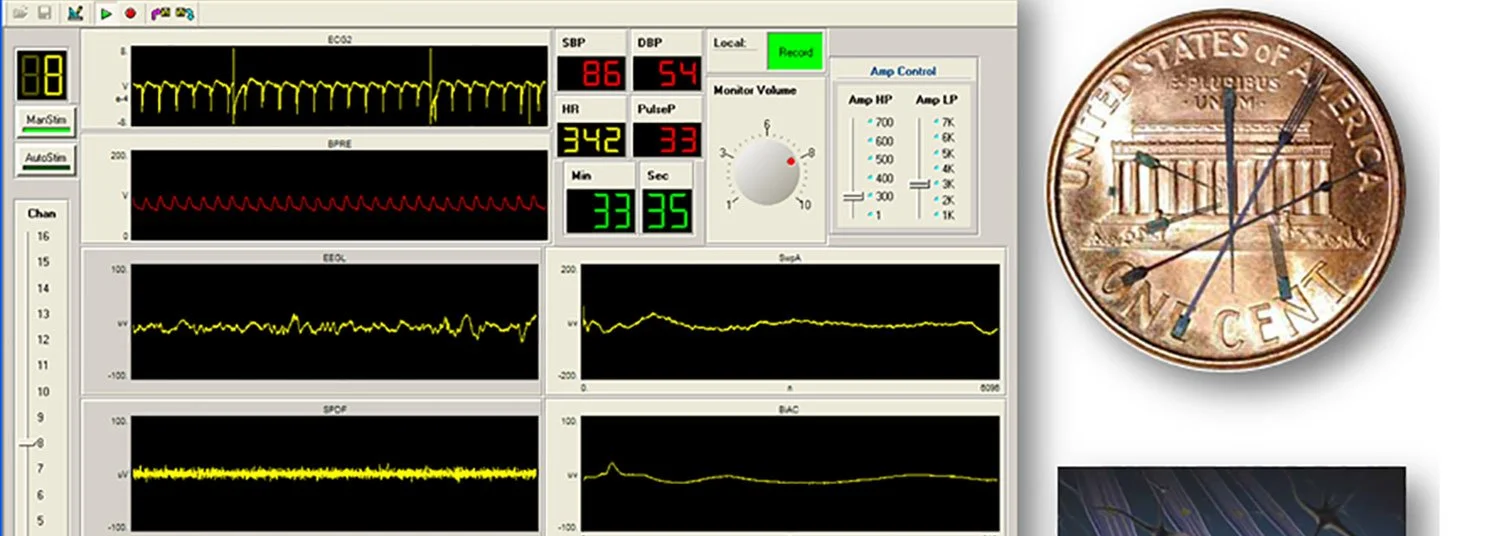
We focus on the development of novel translational tools for uncovering mechanisms of brain injury after cardiac arrest, monitoring and tracking the neurological injuries, and guiding treatments like therapeutic hypothermia.
-
We aim to explore pathological mechanisms of spinal cord injury, monitor and track neurological injuries, and develop novel therapeutic methods to promote neuroregeneration and neuroprotection.
-
We aim to develop potential cell-based therapies for critical-sized bone defect injury to enhance bone regeneration and functional recovery in a translational model.
Xiaofeng Jia, MD, PhD
Principal Investigator
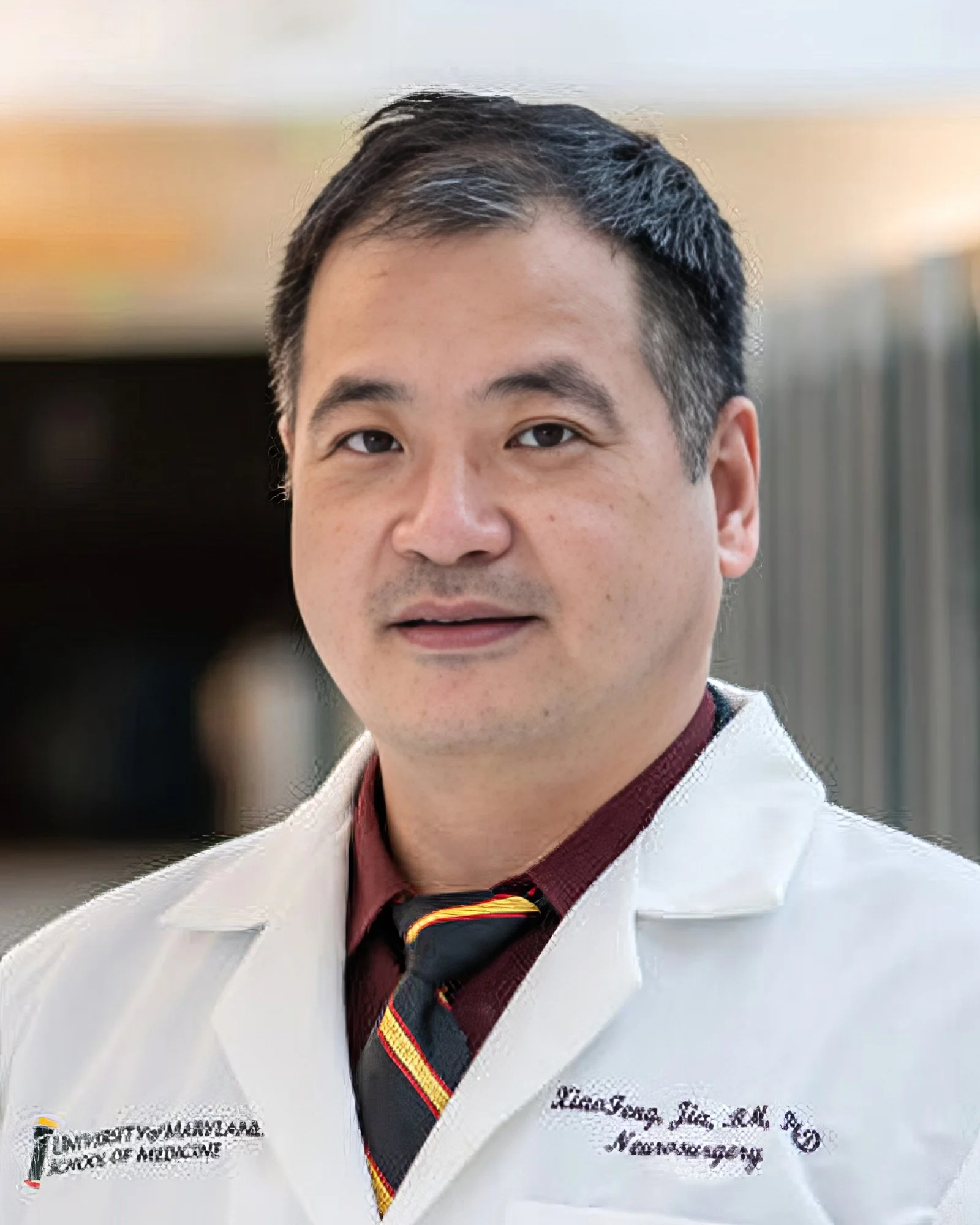
Professor, Department of Neurosurgery
Director, Neurosurgical Stem Cell Research
Director, Translational Neuroengineering and Neuroscience Laboratory